
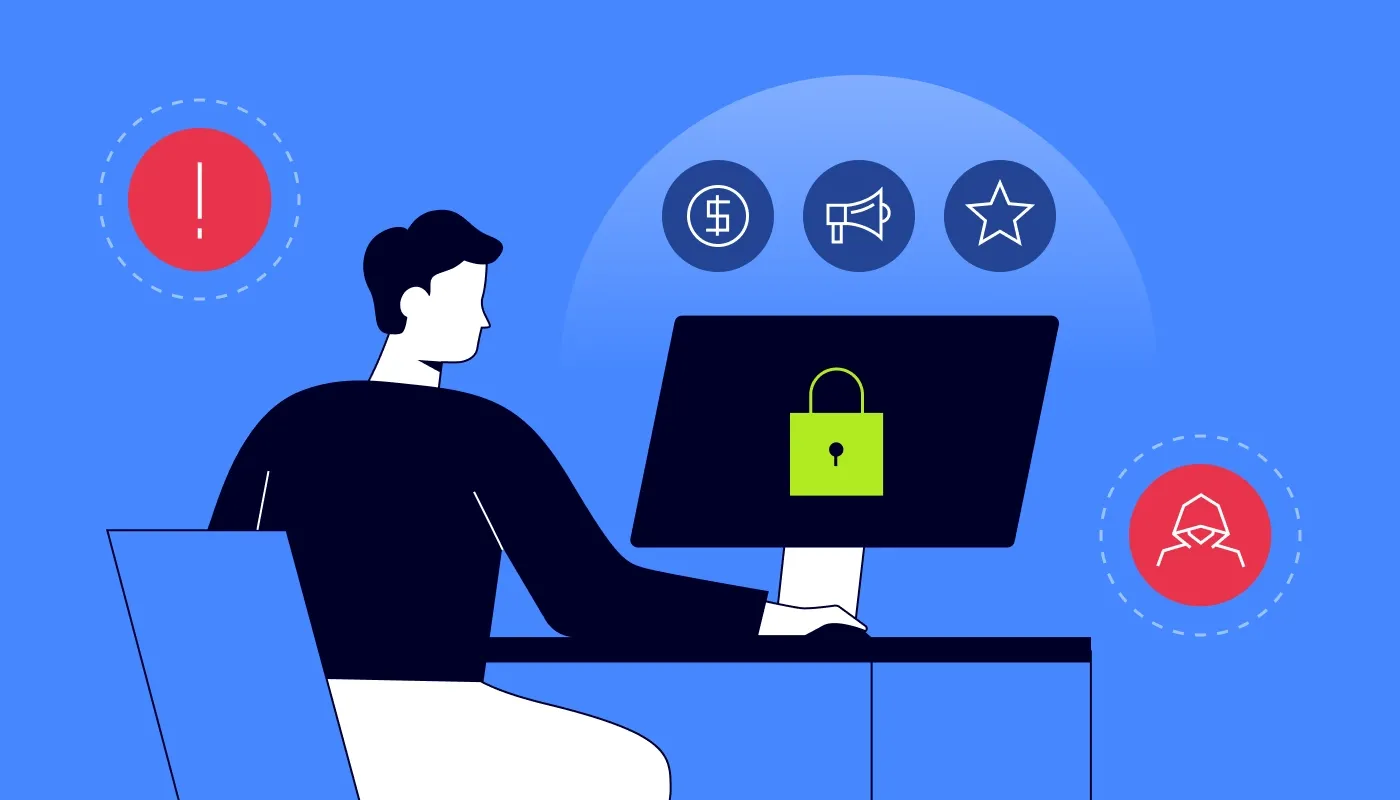
Marketing today is powered by data, automation, and digital platforms. From email campaigns and CRM systems to ad platforms and analytics tools, every marketing activity relies on technology. While these tools help generate leads and increase revenue, they also create cybersecurity risks. If your systems are compromised, your marketing return on investment (ROI) can quickly decline due to lost data, downtime, reputational damage, and wasted ad spend.
Cybersecurity is no longer just an IT concern. It is a critical component of protecting your marketing investments and ensuring long-term business growth.
Marketing ROI Depends on Secure Data
Marketing decisions are driven by data. Customer profiles, email lists, behavioral analytics, and campaign insights help marketers target the right audience and improve conversion rates. However, if this data is stolen, corrupted, or lost due to a cyberattack, your marketing strategy becomes unreliable.
For example, if your CRM is breached, you may lose valuable customer information such as purchase history, preferences, and engagement records. This forces your team to start over, wasting months or years of marketing investment.
Cybersecurity measures like data encryption, secure backups, and access controls ensure your marketing data remains accurate, safe, and usable.
Protecting Your Advertising Budget from Fraud
Digital advertising platforms are frequent targets of cybercriminals. Hackers can gain access to your Google Ads, Meta Ads, or other advertising accounts and misuse your budget. They may run unauthorized campaigns, redirect traffic, or manipulate performance metrics.
This leads to wasted advertising spend, false performance data, and poor targeting that results in lower conversions.
Strong cybersecurity practices such as multi-factor authentication, account monitoring, and secure login policies help prevent unauthorized access and protect your advertising budget.
Preventing Website Downtime and Revenue Loss
Your website is the foundation of your marketing efforts. It supports SEO, paid ads, email campaigns, and lead generation. If your website is hacked, infected with malware, or taken offline by a ransomware attack, your marketing campaigns stop working immediately.
Downtime can result in lost leads and sales, reduced ad campaign effectiveness, lower search engine rankings, and damaged customer trust.
Cybersecurity tools such as firewalls, malware protection, and website monitoring help keep your website operational and secure, ensuring your marketing continues to generate results.
Protecting Your Brand Reputation and Customer Trust
Trust is one of the most valuable outcomes of marketing. Customers share their personal information, subscribe to newsletters, and engage with your brand because they believe their data is safe.
A data breach can severely damage your reputation. Customers may lose confidence in your business, unsubscribe from your communications, and avoid future purchases. Recovering from reputational damage can take significant time and effort.
By implementing strong cybersecurity measures, you demonstrate professionalism and responsibility, which helps maintain customer trust and brand credibility.
Securing Marketing Automation and Email Systems
Marketing automation platforms like email marketing tools, CRM systems, and automation workflows are essential for nurturing leads and maintaining customer relationships. These systems contain sensitive customer information and communication data.
If compromised, cybercriminals can send phishing emails from your domain, steal customer data, and disrupt automated campaigns. This harms your customers and damages your email domain reputation, reducing deliverability rates and campaign performance.
Cybersecurity solutions such as secure authentication, endpoint protection, and email security tools help protect your marketing automation systems.
Ensuring Accurate Analytics and Decision Making
Marketing success depends on accurate analytics. Businesses rely on performance metrics such as conversion rates, traffic sources, and customer behavior to make informed decisions.
Cyberattacks can manipulate or corrupt analytics data, leading to poor decision making. Malicious bots and fake traffic can distort campaign performance, causing businesses to invest in ineffective strategies.
Cybersecurity tools help detect suspicious activity, filter malicious traffic, and maintain reliable analytics data so you can make confident marketing decisions.
Protecting Your Competitive Advantage
Your marketing strategy, customer insights, and campaign plans are valuable business assets. If competitors or cybercriminals gain access to this information, they can use it to their advantage.
Cybersecurity protects sensitive marketing information such as campaign strategies, customer databases, product launch plans, and promotional strategies.
Keeping this information secure helps maintain your competitive edge.
Cybersecurity is an Investment, Not an Expense
Some businesses see cybersecurity as an additional cost. However, the cost of a cyberattack is often much higher than the cost of prevention. Data recovery, lost revenue, and reputational damage can significantly reduce your marketing ROI.
Investing in cybersecurity helps protect your marketing budget, maintain campaign performance, ensure business continuity, and build customer trust.
It allows your marketing efforts to deliver consistent and reliable results.
Marketing and cybersecurity are closely connected. Every lead you generate, every campaign you run, and every customer you engage relies on secure systems and protected data.
Without proper cybersecurity, your marketing investments are at risk. Cyberattacks can disrupt campaigns, waste budgets, damage trust, and reduce revenue.
By implementing strong cybersecurity measures such as secure access controls, email protection, endpoint security, and continuous monitoring, businesses can protect their marketing ROI and ensure long-term growth.
Cybersecurity is not just about protecting technology. It is about protecting your business, your customers, and the success of your marketing efforts.
